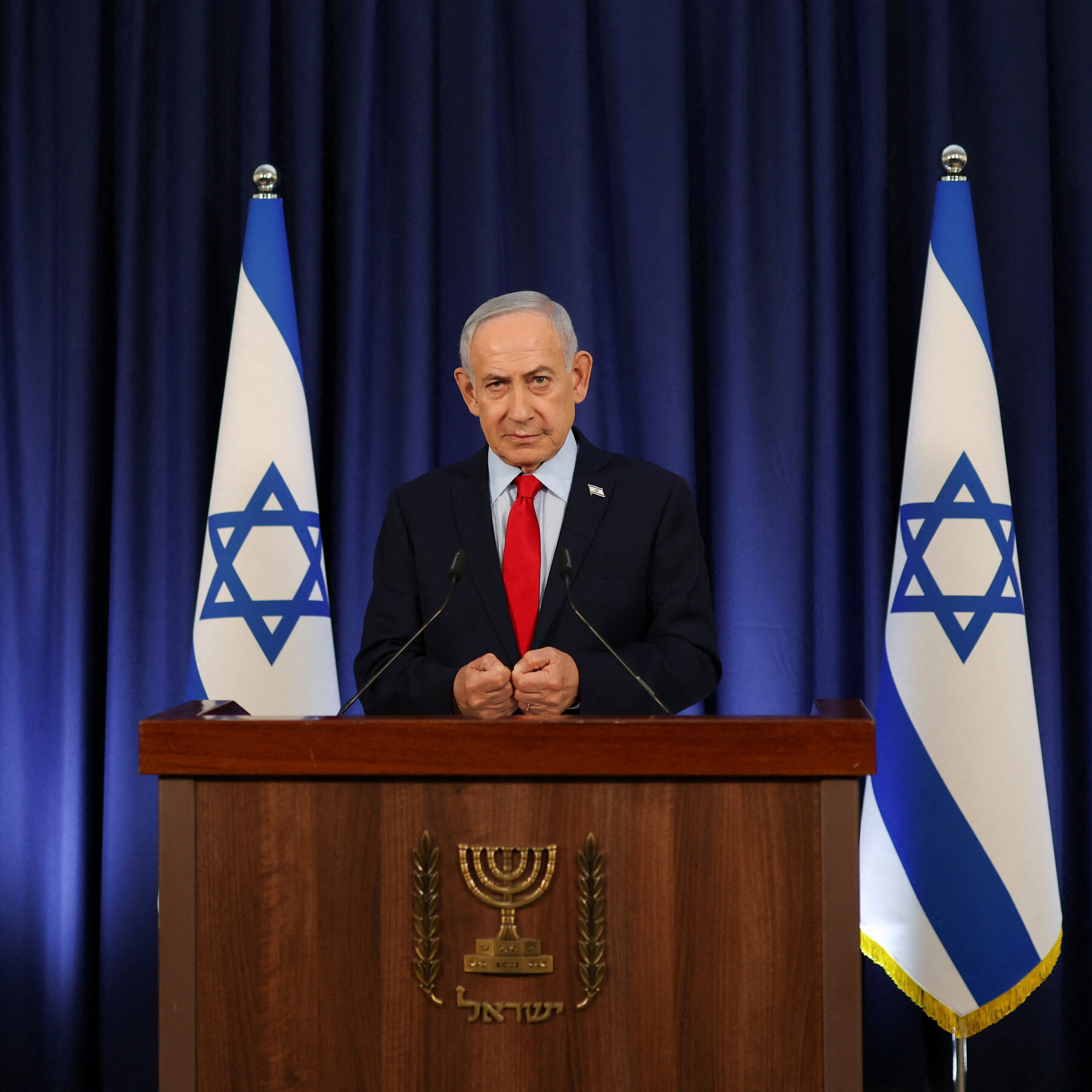
AdvertisementSKIP ADVERTISEMENTYou have a preview view of this article while we are checking your access. When we have confirmed access, the full article content will load.Israelis across the political spectrum say the deal appears to leave fundamental security threats posed by Iran unaddressed.Listen · 5:44 min Prime Minister Benjamin Netanyahu in March.
At the start of the recent war, he had said that its objective was “to remove the existential threats” to Israel. Credit...Pool photo by Ronen ZvulunJune 14, 2026Updated 4:07 p.m. ETThe main headline of Sunday’s Yediot Aharonot, a popular Hebrew daily, summed up in two words the prevailing sentiment in Israel over President Trump’s emerging cease-fire agreement with Iran: “Bad Deal.”Israel waged two wars against Iran in the past year, the most recent one the campaign launched in late February with U.S. forces.
Now Israel, which has not been a party to the Trump administration’s negotiations with Iran, is being left out of the potential peace.Neither the United States nor Iran has shared publicly the text of the agreement being considered, but the details that have surfaced in news media reports were enough to prompt a flood of criticism and discontent from Israelis spanning the country’s political spectrum.American and Iranian officials have said that under an initial “memorandum of understanding,” Iran would reopen the Strait of Hormuz, a critical shipping route for the global economy, and the United States would lift its blockade on Iranian ports.
The cease-fire that the two sides agreed to in April would be extended for 60 days. During that period, both sides would commit to holding detailed negotiations over Iran’s nuclear program, and over the lifting of U.S. sanctions on Iran.The outline appears to fall far short of the goals that Israel set at the start of the two wars.At the outset, Prime Minister Benjamin Netanyahu declared that the objective was “to remove the existential threats” to Israel.
That meant destroying any nuclear threat from Iran and its ballistic missile program, he said, as well as “creating the conditions” for the Iranian people to topple the government.The Israelis have also demanded an end to Tehran’s support of its proxy forces hostile to Israel, including Hezbollah in Lebanon and the Houthis in Yemen, as well as support for Hamas in Gaza.Thank you for your patience while we verify access.
If you are in Reader mode please exit and log into your Times account, or subscribe for all of The Times.Thank you for your patience while we verify access.Already a subscriber? Log in.Want all of The Times? Subscribe.AdvertisementSKIP ADVERTISEMENT