Skip to contentSkip to site index Today’s Paper Advertisement SKIP ADVERTISEMENT You have a preview view of this article while we are checking your access. When we have confirmed access, the full article content will load. Supported by SKIP ADVERTISEMENT Even With U.S.
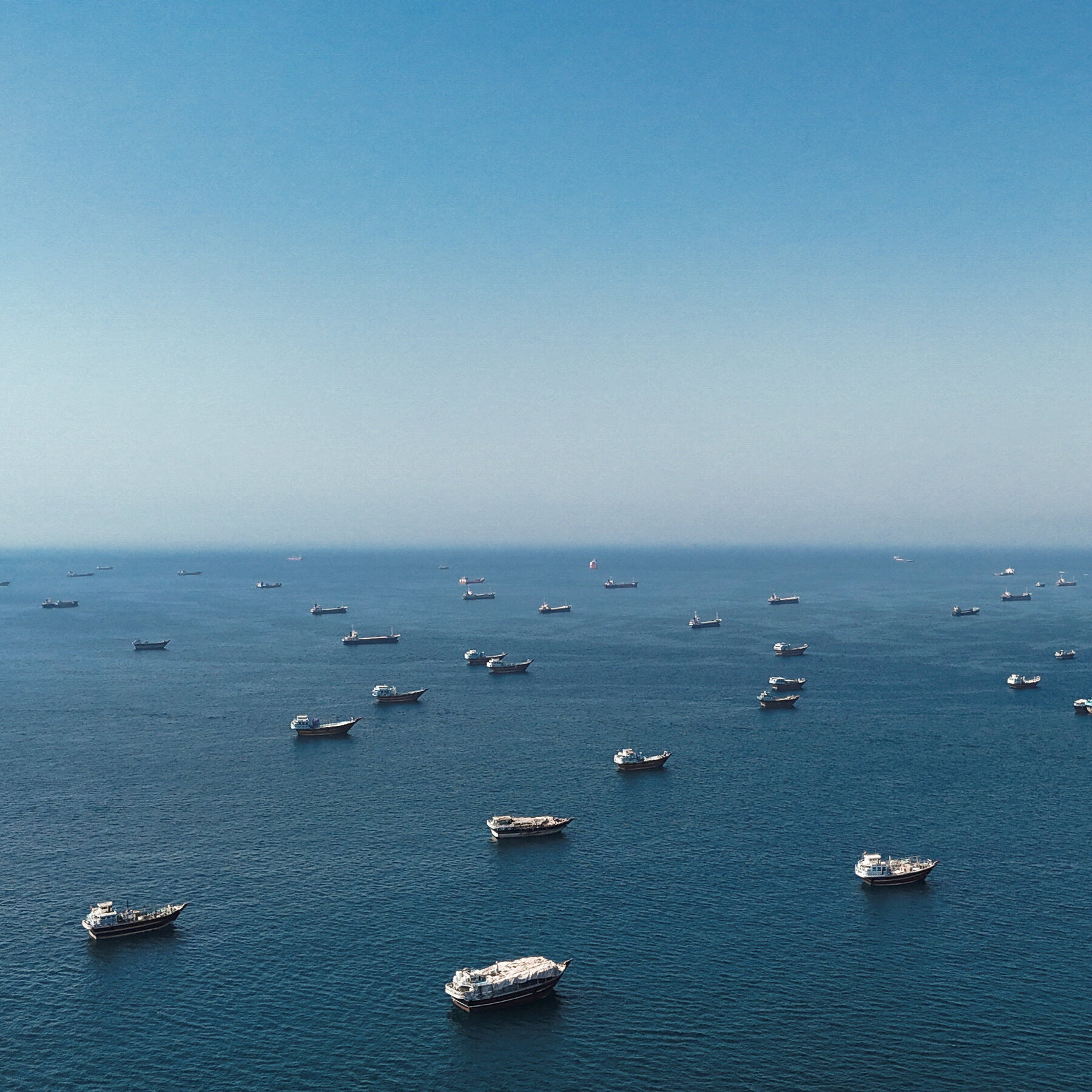
Help, Little Oil Has Gone Through Strait of Hormuz President Trump said more than 200 commercial vessels had safely traveled through the strait. That’s still far fewer than before the start of the war. Listen · 6:24 min Global stockpiles of oil continue to decline as vessels remain stuck, unable to transit the Strait of Hormuz.Credit...Reuters Peter Eavis By Peter Eavis Even as the United States tries to negotiate an end to the war with Iran and open the Strait of Hormuz, President Trump said the U.S. military had been helping ships and oil move through the crucial waterway.
But while the United States appears to be doing more to get ships through the strait, its efforts have not led to a big recovery in shipping traffic. The number of ships passing through the strait every day is still far lower than it was before the war with Iran began.
And the volumes of oil apparently going through are also well below prewar totals, according to independent tanker tracking firms. The conflict escalated this week before the United States and Iran appeared to move closer to reaching a cease-fire deal that would open the strait and end the U.S. naval blockade on Iran.
Abbas Araghchi, the Iranian foreign minister, said in a live televised address to the country on Friday that the agreement with the United States was in its final stages. Mr. Araghchi said that although all commercial ships would be guaranteed safe passage through the strait, Tehran would maintain its control of the waterway and eventually charge a “service fee” for vessels passing through — an arrangement the Trump administration has opposed.
From the start of the war, Iran has used threats and attacks to deter ship operators from sending their oil and gas tankers through the strait. As ship traffic dwindled, the supply of oil to the world declined, causing gasoline and diesel prices to soar. As long as Iran can suppress tanker traffic, and keep fuel prices uncomfortably high, it has leverage against the United States.
And that leverage has increased as global stockpiles continue to decline. Thank you for your patience while we verify access. If you are in Reader mode please exit and log into your Times account, or subscribe for all of The Times. Thank you for your patience while we verify access.
Already a subscriber? Log in. Want all of The Times? Subscribe. Related Content Advertisement SKIP ADVERTISEMENT